
Why not provide a top class fast food service for our feathered friends?
Birds galore could visit your feeding station during the winter
ONE of the best ways to get close to nature is to feed the birds in your garden.
This brings wild creatures close to you and helps them survive as the weather gets colder and bleaker.
Staring out at the birds can be a fascinating experience: seeing the relationships between different species, seeing how they react to their own kind, finding out what they prefer to eat and what they don’t.

You can also learn what’s out there and find out how to distinguish a great tit from a blue tit, a blackbird from a starling, a dunnock from a house sparrow.
The good thing about feeding the birds in your garden is that it takes relatively little effort. You could just throw out some bread or scraps left over from your meal e.g. meat fat and mashed potato goes down well, in my experience.
Or you could hang a feeder from a tree branch and fill it with peanuts.
But it can almost become a Cordon Bleu dining experience for our feathered friends if you indulge them in every culinary offer available from supermarkets, garden centres and nature reserve shops, not to mention online suppliers.
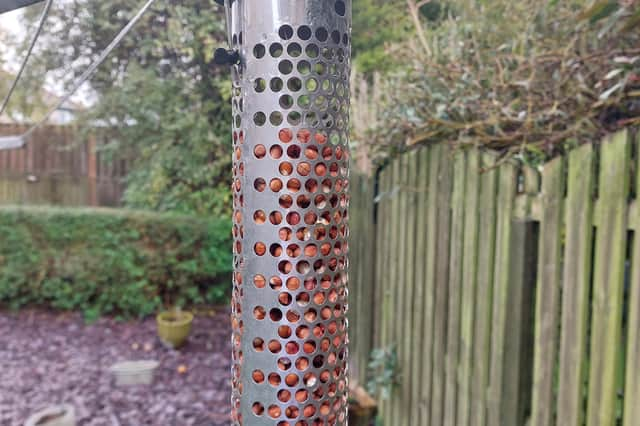
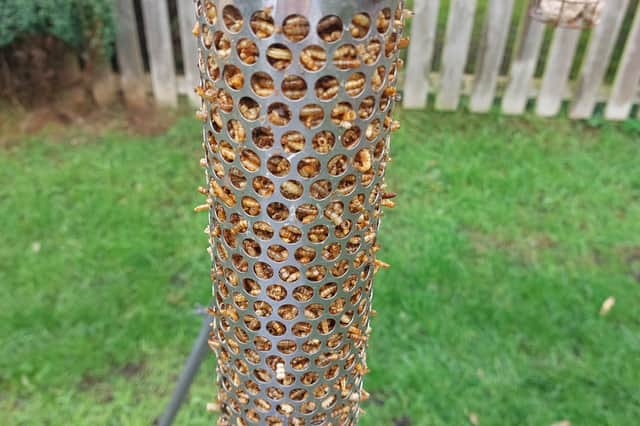
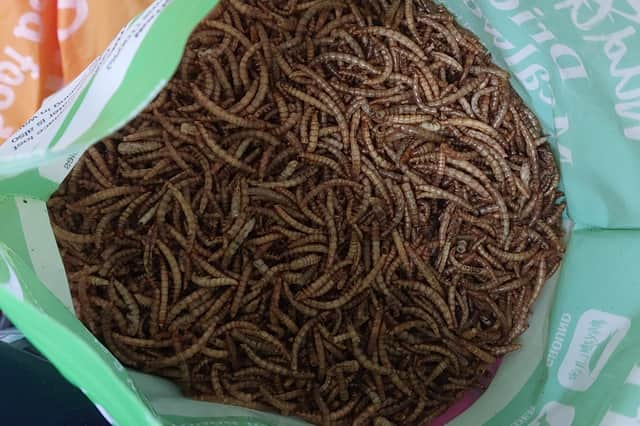
You can now stuff the birds with mealworms, suet nibbles, suet balls, coconut halves filled with fat, Niger seeds, sunflower seeds, special seed mixes, insect or fruit-laced fat blocks… The list can go on and on.
And how they choose to dine can also be an opportunity for you to show off to the neighbours.
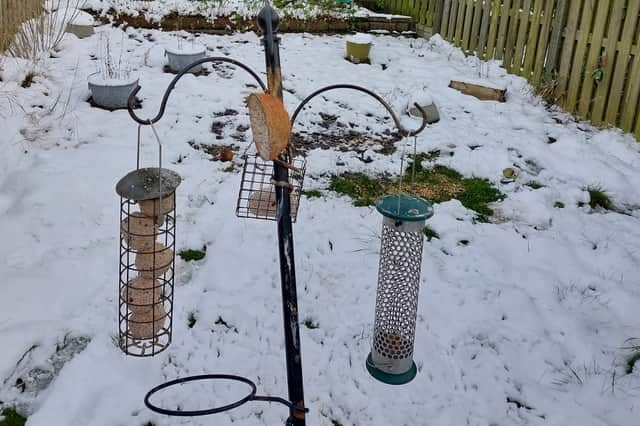
You could have a simple flat bird table on a pole or you could have a multi-layered table, with separate feeders hanging down the side, or a metal post with arms from which peanut holders and fat holders can dangle like decorations on a Christmas tree. You can also hang the feeders from every possible branch in the garden, or even stick special feeders to your window.
The feeders can be metal or plastic, be designed to favour species like the tits but keep away the greedy starlings, and even be made to deter the local squirrels (should you want to).
The most important thing is to feed the birds in one way or another. In bad weather, many birds will perish through lack of food so getting a food source easily becomes absolutely vital to them.
They will even come to rely on it which means that you have to continue feeding once you have started.
There have been scientific studies showing that the British habit of feeding garden birds has had a significant effect on wild bird populations with more individuals surviving over the winter to breed in the spring and summer, boosting populations at a time when many species are seeing their numbers tumble.
Feeding the birds is to some extent experimental. They will like certain foods and not others and if something seems perennially unpopular then don’t bother buying it again.
You have to remember that there are some species which don’t like to feed at bird tables at all so putting some food on the ground is also important. Dunnocks, better known as hedge sparrows, are one example.
If you have not put food out before it might take a while for the birds to discover your offerings so don’t be put off if nothing turns up to feed immediately, or even for a few days. Once they know it is there, they will come.
You should see bird table regulars like blue and great tits, house sparrows, robins, starlings, blackbirds and even wood pigeons, but you might also get surprise visits by birds you don’t expect like nuthatches, siskins, jays or willow and marsh tits.
Buy a bird identification guide if you don’t have one. There are plenty on sale, some better than others.
Putting water out in a suitable container is as important as placing food. Birds need to drink and they need to bathe to keep their feathers in tip-top condition, particularly during winter when they need to keep warm.
Another very important thing to remember is hygiene. Birds, like people, can pick up infections and in recent years many small birds have suffered from a number of ailments which may come from sharing dirty feeders.
Every now and again thoroughly disinfect and clean all feeders and bird tables, even replacing them every few months if you can afford it. Don’t leave food hanging around for a long time, particularly on the ground as it could attract rats and other pests.
You can have a lot of fun feeding the birds in your garden, and the birds will certainly appreciate it in their own way.
We are a nation of animal lovers and showing our appreciation of wild creatures is a great thing to do through designing our gardens for wildlife, supporting groups caring for the environment and, at its most basic and pleasing, just watching the birds feed on the food you have given them.
It’s a simple but worthy delight.