
What AI has to say about archaeological Rotherham
Artificial Intelligence is sneaking into every corner of our lives, whether we choose to recognise it or not.
It represents the cutting edge of technology and will soon have an even more profound effect on how we go about our lives.
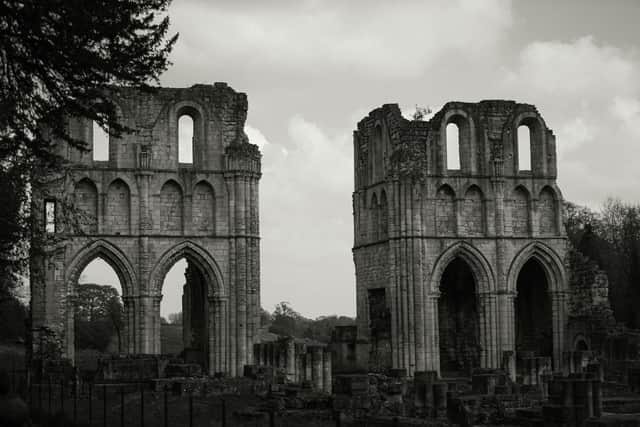

While AI, is all about now and the future, its grasp on the past is pretty impressive.
We asked ChatGPT (which describes itself as an AI language model) to list the top 10 sites of archaeological importance in Rotherham.
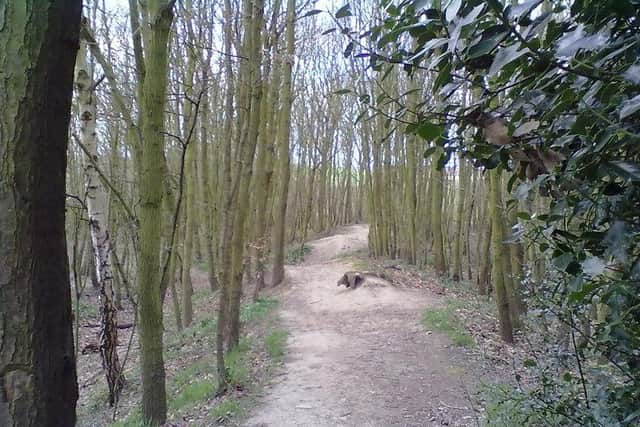
Within seconds, it delivered details demonstrating how important the borough had been long before the written word became available.
And while there was the occasional clanger, the experience was pretty awe-inspiring.
So this is ChatGPT's version of Rotherham's historical top 10, why the areas were selected, and with some random knowledge chucked in:
1 Canklow Woods and the Roman Ridge Dyke, southwest of Rotherham town.
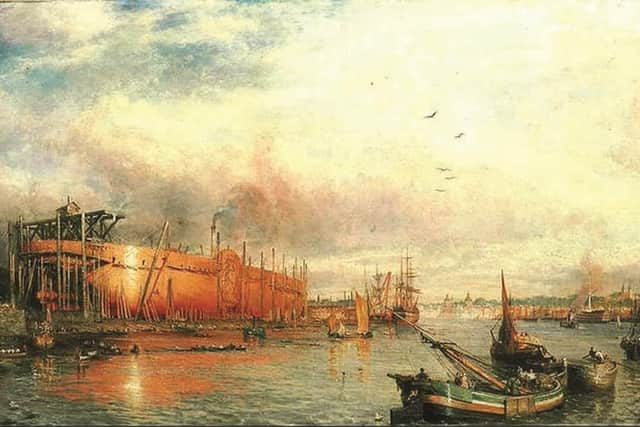
A mysterious defensive earthwork running through the landscape – possibly post-Roman, possibly earlier. Archaeologists believe it may have once marked the boundaries of early kingdoms like Elmet (an independent Celtic kingdom).
Random: Some archaeologists suggest the dyke was part of an Iron Age tribal boundary, possibly delineating territory of the Brigantes (northern England) tribe.
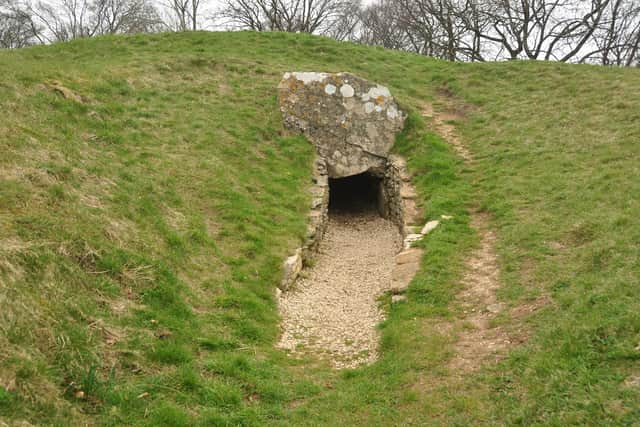
Beneath the trees of Canklow Woods lies evidence of a Bronze Age barrow (or burial mound), one of several that were likely part of a ceremonial landscape.
2. Roche Abbey, Maltby
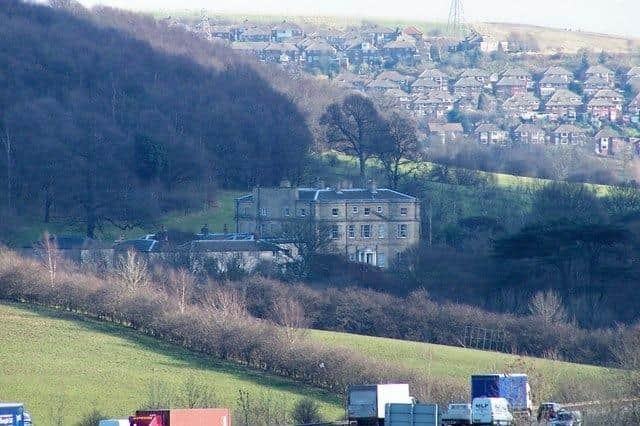
One of Yorkshire’s most beautiful (if ruined) monasteries. Founded in 1147 by Cistercian monks, later redesigned into so-called romantic ruins by Capability Brown in the 1700s.
Random: In the 13th century, Roche Abbey was known for a rare practice: the monks diverted the nearby Maltby Dike to run through the monastery, creating elaborate water features and fishponds that were architectural marvels for their time. Not many signs of such opulence these days.
3. Templeborough Roman Fort, beneath the Magna Science Centre.
Once a key Roman outpost. Excavated remains included fort gates and roads. Some artefacts are displayed at Clifton Park Museum.
Random: When the fort was excavated in the early 20th century to make way for a steelworks, a treasure trove of more than 1,000 Roman coins was discovered, providing critical clues about military presence and trade in Roman Britain.
4. Ulley and Thurcroft Barrow Fields, near Ulley Reservoir
These are subtle humps in the landscape and mark ancient Bronze Age burial mounds. Though largely unexcavated – which begs the question of what has yet to be found, these are among the earliest signs of life in the Rotherham area.
Random: In the 19th century, Victorian antiquarians exploring Ulley Long Barrow were shocked to discover multiple generations of burials in the same tomb, leading to one of the first theories about Neolithic ancestor reverence.
5. Thundercliffe Grange, Kimberworth, private estate.
Beneath this grand house lies evidence of a medieval manor and earlier land use. Archaeology here tells the story of changing status and architecture through the centuries.
Random: During the Georgian era, Thundercliffe Grange was not only a gentleman’s residence but also had one of the region’s earliest private observatories, built by a wealthy industrialist fascinated by astronomy.
6. Swinton Fitzwilliam Pottery Kilns, near Station Street.
A hub for pottery from the 18th century, the remains of kilns and workshops still lie beneath modern development. An underappreciated chapter in Rotherham’s craft and trade heritage.
Random: The Kilns were part of a large-scale ceramic and brick production complex that contributed to Victorian-era building booms in nearby industrial centres like Sheffield and Doncaster. No need to thank us.
7. Medieval Rotherham (Town Centre, beneath High Street and College Street.)
Beneath the pavements are remnants of medieval timber-framed buildings, shop fronts, and street layouts. These were uncovered during building works.
Random: The remains of a medieval tannery were discovered beneath College Street – including vats for soaking animal hides and large quantities of horn cores, (bony structures at the base of animal horns,) indicating leatherworking and horn crafting.
These discoveries show that medieval Rotherham wasn’t just a market town – it was a busy hub of industrial-scale craft production, vital to trade in the medieval economy.
Tanning was so foul-smelling that such workshops were often placed near rivers or on the fringes of towns, yet Rotherham’s dense central activity suggests a thriving, industrious settlement. Locals just put up with the pong.
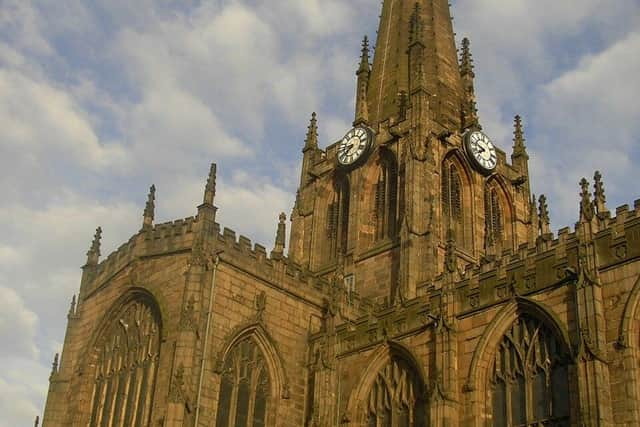
8. All Saints’ Church (Rotherham Minster), central Rotherham.
Known for its 15th-century, Gothic beauty, yet archaeologists believe a Saxon church stood here first. Finds include early burials and carved stone fragments.
Random: The Minster's stained glass windows were hidden during the English Civil War to prevent destruction by Puritan raiders – a local family is believed to have bricked them up inside a barn.
9. Hooton Roberts village and local fields.
Cropmarks and pottery fragments suggest an Iron Age or Roman settlement. Still under study, but a promising site for future digs.
Random: The village became briefly famous in the late 19th century as the home of Sir Joseph Sykes Rymer, a top-notch wine merchant and amateur archaeologist, who recorded ground-breaking finds of Roman pottery in nearby fields.
10. Roundwood Colliery, near Rawmarsh, and Parkgate Ironworks.
Remains of 19th-century mining and metalworking that powered Rotherham’s industrial boom. Former worker housing, engine sites, and slag heaps are rich in industrial archaeology.
Random: Roundwood was one of the earliest mines in Yorkshire to experiment with mechanical coal cutters in the late 19th century – a controversial move that provoked strikes among hand-cutters fearing for their jobs.
Striking miners? It will never catch on!