
Rotherham's 'hidden’ war graves and the stories behind those buried close to home
Heritage Open Day tours of Moorgate Cemetery in Rotherham to pay respects
When the British public thinks of war graves, they picture sprawling, immaculate headstone fields in France, Belgium, or Gallipoli rather than the single headstone tucked away in a local parish churchyard.
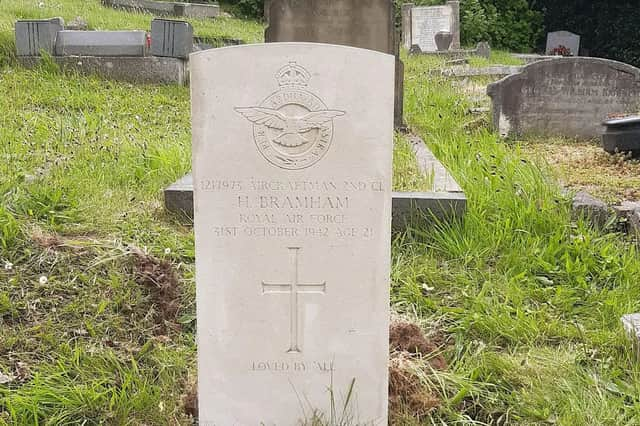

Many people aren't aware that there are Commonwealth War Graves in the UK, Yorkshire, South Yorkshire – or Rotherham.
In the last 10 or 15 years Commonwealth War Graves Commission (CWGC) started putting up green signs by entrances to encourage people to step inside, pay their respects, and learn more about local history.
Through a programme of free Heritage Open Day tours and talks, the CWGC will be welcoming visitors to cemeteries in Yorkshire – including Moorgate Cemetery in Rotherham - to learn more about the servicemen and women who lost their lives during the World Wars and the Commission’s ongoing work to ensure their stories are never forgotten.
Tours are also being held at Beverley, Fulford, Harrogate, Malton, Scarborough, and Selby starting tomorrow (Friday, September 11.)
A CWGC spokesperson said: “The tour of Rotherham (Moorgate) Cemetery with 85 Commonwealth War Graves is synonymous with South Yorkshire’s industrial heritage.
“There are spectacular views over the South Yorkshire Industrial heartland of Rotherham and Sheffield, spreading over towards Derbyshire peak district and overshadowed by Wincobank Hill.
“Once a Roman Fortress and latterly bristling with Anti-Aircraft Batteries during WWII, protecting pivotal specialised steel armament factories producing numerous military items such as engine parts for the Merlin engine, to Sir Barnes Wallis 22,000 lb Grand Slam bomb.
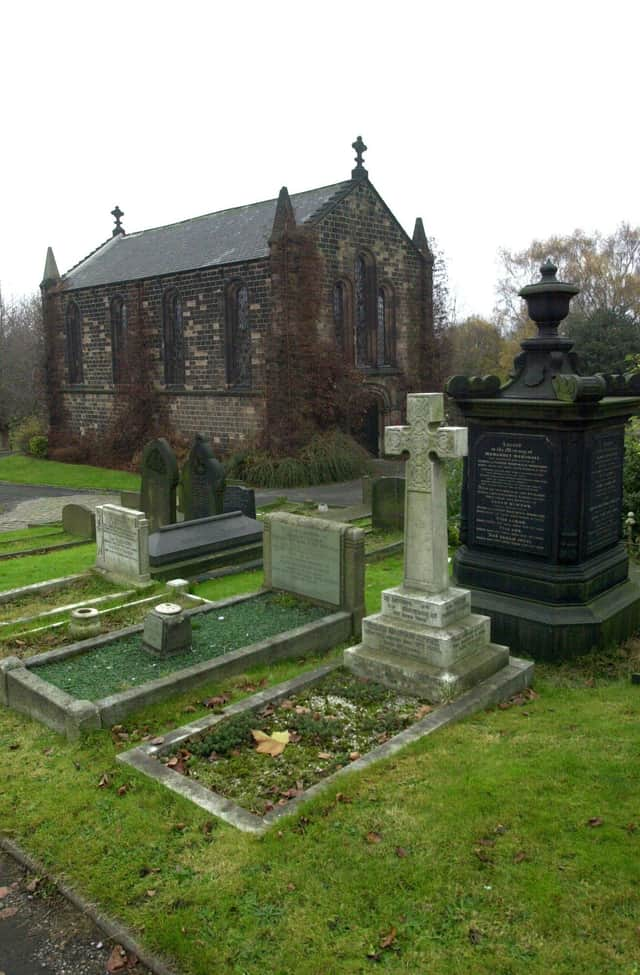
“Opposite Moorgate Cemetery is Thomas Rotherham College formerly Rotherham Grammar School.
“Tour visitors follow the emotional journey of some of the young academics who once walked through the gates of the school and went on to serve with inspirational distinction, performing heroic deeds and sacrificing their young lives only to return to Moorgate Cemetery and be commemorated by the CWGC.”
The formal policy of non-repatriation of military bodies began in March 1915.
Soldiers who died overseas had to be buried where they fell.
To prevent a class divide, the government decreed that all soldiers—regardless of rank, wealth, or social standing—would be buried side-by-side.
Attempting to identify, exhume, embalm, and transport hundreds of thousands of decomposing remains across the English Channel while active combat was ongoing was logistically impossible and posed massive health risks.
Also the government feared that a constant influx of thousands of coffins arriving at ports and train stations would shatter public morale and fuel intense anti-war sentiment.
Elizabeth Smith, public engagement coordinator at the Commonwealth War Graves Commission (CWGC) said: “Heritage Open Days are a wonderful opportunity for people to explore the history around them and discover incredible stories that may have been hidden in plain sight for generations.
"We are delighted to be welcoming visitors to sites across Yorkshire and hope that people from across the county will join us to learn more about the men and women we commemorate, the work of the Commission and the role their local communities played in the World Wars."
To book a tour of Moorgate Cemetery visit https://tinyurl.com/CWGCMoorgate.