
'For trust to be restored, truth has to be told' - Bishop of Sheffield says as he opens Orgreave Inquiry

As an inquiry into the Battle of Orgreave has been officially launched - 40 years after striking miners and police clashed on the fields of Rotherham - the Bishop of Sheffield sat down with The Star to share his hopes for the two-year-long investigation.
The Bishop of Sheffield, Pete Wilcox, is no stranger to the trauma that the Battle of Orgreave has left upon South Yorkshire, having worked in the region for nine years and spoken to campaigners who have been tirelessly searching for answers over the past four decades.
And as he begins his role as chair for the long-awaited inquiry into the events of June 18, 1984 - which is expected to analyse policing tactics and prepare a full report of the day’s events by spring 2028 - he has shared his hope that these answers may finally begin to heal the divide that has been left between former mining communities and the state.
“That’s my great hope,” he told The Star.
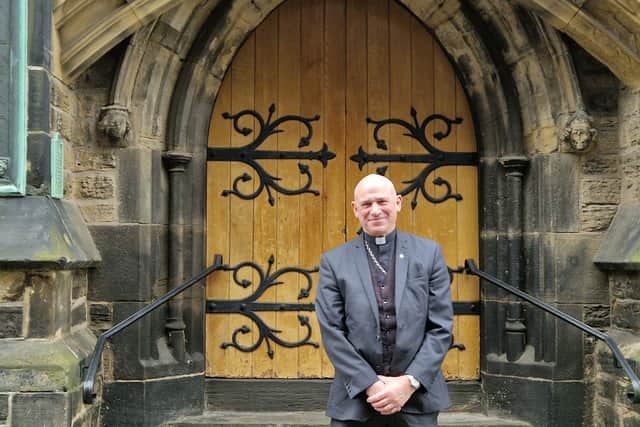

“The events on June 18, 1984, had a very severe impact, not just on individuals but in communities - not just across South Yorkshire, but beyond in former mining communities.
“I think for trust to be restored, truth has to be told.
“I think one of the things that’s been so corrosive of trust over the past 40 years is the sense in those communities that the truth has not been told, that their story has not been heard.
“My great hope for this inquiry is that it will contribute to the resolution of some unresolved trauma.”
The independent inquiry officially launched yesterday (March 26), with the panel gathering evidence from the public until May 22.
Further work will then be done to study historical documents, with the Bishop’s team granted statutory powers to access previously restricted or embargoed records kept by the police, local and national government, and other public and private bodies including media organisations.
The Bishop expressed his ‘excitement’ to properly begin the work, but reiterated the importance of people getting involved while they can.
He added: “This is the way the inquiry starts, with our call for evidence, and we want anybody who believes they have a contribution to make to the inquiry to be in touch with us via our website - and to put their contribution on the record.
“That’s organisations, but it’s individuals too. Anyone who feels that they were impacted by what happened at Orgreave [can get] in touch with us.”
Information on how to take part in the inquiry can be found here.
Unfortunately, due to the passage of time, not everyone involved has lived to see this inquiry finally come to fruition - though the Bishop has implored relatives of those affected to come forward too.
“Even the families of former miners, former police officers, who are carrying the impact of what happened at Orgreave are welcome to contact the inquiry and get their story on the record,” he continued.
“But it’s not too late, there are still many people alive who were impacted by the events of Orgreave and were directly involved themselves and we particularly urge those people to be in touch with the inquiry .”
A lot is resting on the shoulders of the Bishop and his team - which includes former Crown Prosecution Service chief prosecutor Wendy Williams CBE and historian Dr Angela Sutton-Vane - and he explained that he ‘feels the weight of that expectation’.
Not only the events of June 18, but the whole miners’ strike, disrupted countless people’s lives and after so many years expectations for official investigations are high.
Former National Union of Mineworkers (NUM) president Arthur Scargill - who saw the union through the strikes of 1984/5 and provided a voice for pit villages across the country - warned that the inquiry would be a ‘travesty’ if it didn’t include ‘all aspects of events at the Orgreave coking plant,’ including the actions of British Steel.
Picketers targeted Orgreave to disrupt deliveries of coal, with miners up and down the country travelling to South Yorkshire to support the movement as they were faced with the reality of a potential 20,000 job losses.
More than 100 people were injured in the ensuing violence as strikers and police clashed, while 95 people were arrested - though none ultimately faced conviction after police evidence was discredited.
And while this inquiry will focus specifically on policing on the day, advanced plans and the aftermath, the Bishop has said that this is still an ‘important’ investigation.
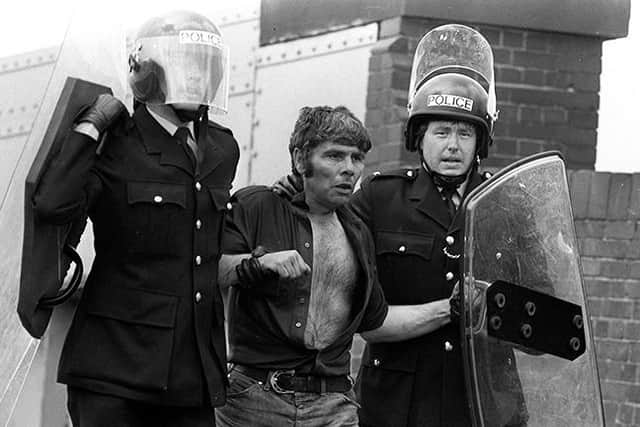
He added: “The terms of reference are quite clear and we will have to function within those terms of reference. So this isn’t an inquiry into the miners’ strike as a whole or industrial relations in the 1980s.
“It is focused on Orgreave, but not just on June 18, 1984 - the run up of what happened on the day and the aftermath are all in scope of the inquiry.
“I do understand the concern that Mr Scargill’s expressing, but we will be focused on the policing of Orgreave on June 18. So although we will look at the run-up, it will be strictly to do with what evidence there may or may not be about premeditation in terms of policing on the day and the aftermath.
“That in itself I think is a really important piece of truth telling which has not yet been fully done.”