
Rotherham safe space charity shop says it is "struggling to survive" amid soaring costs & rise of Vinted
“I’ve been in charity shops for 15 years and it’s harder now with donations, we’re getting less and less”
A Rotherham charity shop which acts as a safe space for vulnerable people in the community has said it is struggling to survive as prices rise and funding becomes harder to access.
Claire Allport, manager at Crossroads Care charity shop on Bridgegate in the town centre, explains that charities are struggling to compete with online marketplaces due to people being less able to donate.
She said: “I’ve been in charity shops for 15 years and it’s harder now with donations, we’re getting less and less.
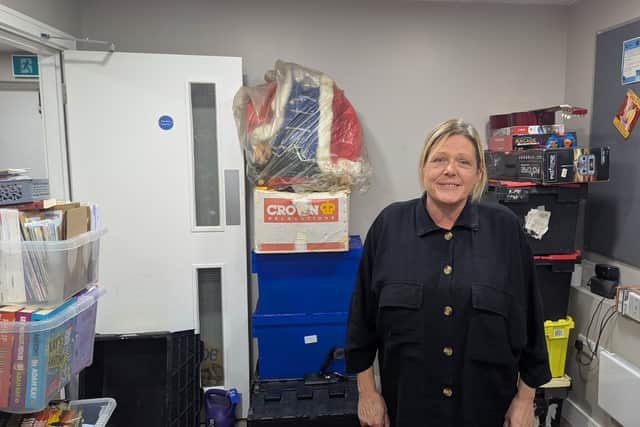

“People are selling on Vinted and doing car boot sales because they can’t afford to donate.
She added: “We try to keep our prices cheap because I always have in mind that we’re in Rotherham and we have poor families.”
Crossroads Care supports over 35,000 people nationally to help carers and those they care for, and relies upon the charity shop as a vital source of income.
As well as straining income, the shop is struggling to support people in the community in other ways.
Ms Allport said: “It’s hard to get funding now and it’s hard to get volunteers now because they’re having to work.”
The shop also serves as a cafe and safe space for the community, offering support and advice for anyone who comes in the door.
Ms Allport points two three customers sat chatting over cups of tea as they do two or three times a week, and says: “They weren’t friends until they started coming in.”
“It’s not just a charity shop, it’s community,” she adds, telling me about people who have come in for non-judgemental advice and to get help from volunteers on a range of issues.
Liz Hopkinson, business development manager at Crossroads Care, explains that carers are already stretched thin financially, but now many are leaving care because they simply cannot survive on what money they are getting.
She said: “We’re having staff coming to us and saying ‘we love the job but we can't afford to continue’.
“Carers are often working for 70 hours a week. If carers decided they weren’t caring anymore due to all the financial pressures, who is going to pick up all that care and how much would that cost the government?”
The shop is a popular spot for people to drop by for a hot drink, but Ms Hopkinson urges people to continue their support for it and for the charity itself.
“We’re a safe space and everybody raves about the shop,” she says.
“If there's any local businesses out there that would like to support us, get in touch. We desperately need your help.”