
Rotherham Hospice announces ‘heart-breaking but necessary’ shop and café closures
The award-winning facility is calling on Chancellor John Healey to address the “painful” financial pressures facing charities
Rotherham Hospice has announced the “heart-breaking but necessary” decision to close its Wath charity shop and Swinton café due to financial pressures – with its CEO calling on the government for “sustainable, multi-year” funding and greater support with employment costs.
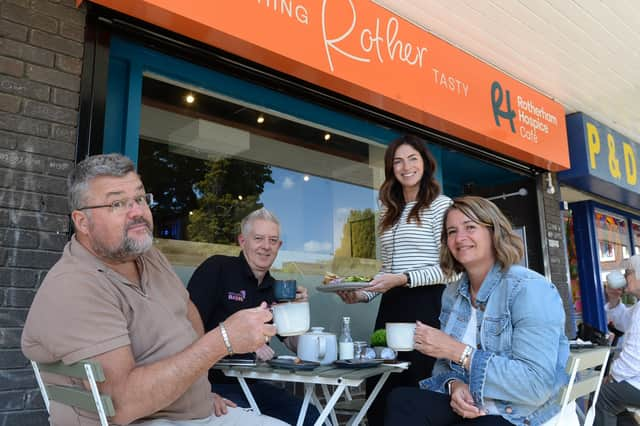

The hospice, rated Outstanding overall by the Care Quality Commission (CQC) and recently named Medium Charity of the Year at the 2026 Third Sector Awards, cited “declining footfall, rising employer National Insurance contributions and increases in statutory wage costs” as the factors which have made the two trading sites “financially unsustainable.”
The charity has stressed that its other shops and cafés remain open, including its separate Swinton retail shop on the same precinct as the café which opened just over a year ago.
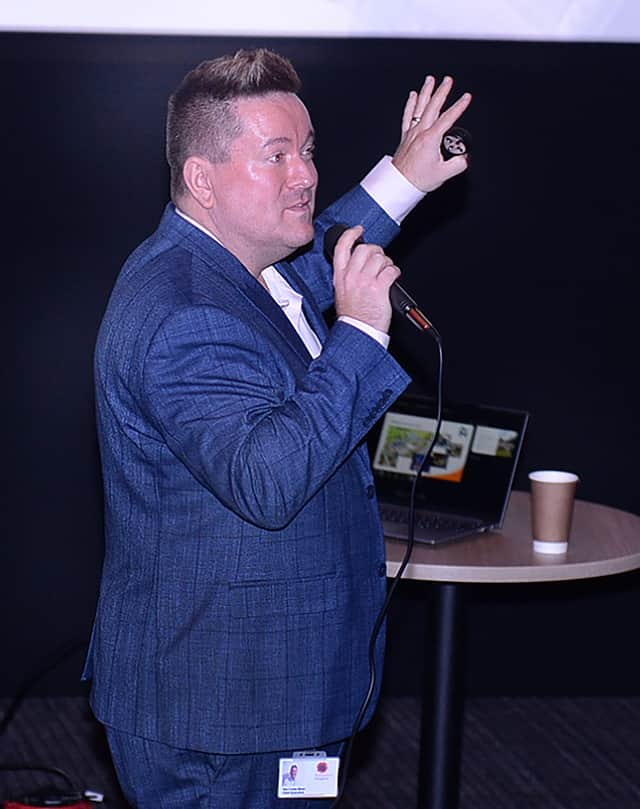
Mat Cottle-Shaw, chief executive of Rotherham Hospice, said: “These are heart-breaking decisions because our shops and cafés are much more than places where people spend money.
“They are familiar faces, friendships, opportunities to volunteer and a connection between our hospice and the communities we serve.
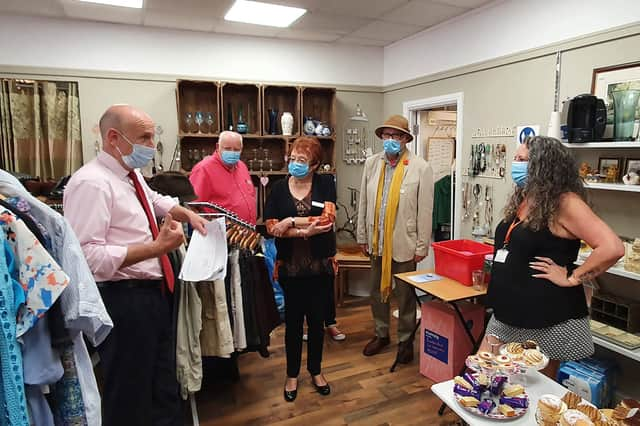
“Our oldest shop, Wath, and the only retail premises our charity owns, carries years of generosity and commitment within its walls. Closing it is not something we ever wanted to do.
“But we have a responsibility to the people who need our care and to everyone who donates to us.
“When a shop starts costing the hospice money rather than raising it, continuing indefinitely would mean taking money away from the very purpose it exists to support.
“However painful, we cannot ignore that.”
Higher employment costs, together with essential building maintenance anticipated in the coming years, have left the Wath shop “loss-making and no longer viable”, said Mat.
Following consultation with Wath staff, voluntary redundancy arrangements have been agreed and volunteers have been supported to move to other hospice shops.
At Swinton Café – which opened last May - rising costs and insufficient footfall have also “prevented the business from achieving the sustained level of sales needed to generate a reliable surplus for hospice care.”
The café team has been redeployed to the hospice’s other cafés, located within its Parkgate Superstore and at the hospice itself on Broom Road.
Mat said: “These closures are not a reflection of a lack of effort or commitment. Our colleagues have worked incredibly hard in circumstances that have become increasingly difficult.
“With government funding covering just 36 per cent of its running costs, Rotherham Hospice must find the remaining 64 per cent through fundraising, donations and the income generated by its shops and cafés.
“Donated stock and volunteer support are invaluable, but wages, employer contributions, energy, insurance, transport and property costs must still be paid before income can support charitable services.”
The hospice boss also pointed to the impact of employer National Insurance rate increases as well as the rise in the National Living Wage for workers aged 21 and over.
“Our staff deserve fair pay - this is not an argument for paying people less,” he said.
“It is an argument for government to take responsibility for the combined consequences of its decisions.
“You cannot keep increasing the cost of employing people, leave charitable care providers to find most of their own funding, and then be surprised when something has to give.
“Fair pay must be matched by fair funding and meaningful support for the organisations expected to deliver it.
“We need ministers to consider the cumulative impact of tax and wage decisions on employers of every size, including charities.
“When a business is already operating on a small margin, an increase in costs is not simply absorbed. It can be the difference between keeping the doors open and closing them.
“Good intentions in Westminster must be matched by a workable reality in our communities.”
Mat added: “Rotherham Hospice has welcomed past government investment in hospice buildings and equipment, but this cannot replace dependable funding for everyday care.
“We are asking John Healey, as both Chancellor and the MP for the communities affected, to help turn recognition of this problem into action.
“We need sustainable, multi-year hospice funding that reflects the real cost of care, targeted support with employer National Insurance, and a serious assessment of how further employment-cost increases can be supported rather than simply passed on.
“These are not abstract pressures on a spreadsheet.
“In his own constituency, they are contributing to the loss of places where people have worked, volunteered, met friends and supported their local hospice.
“Outstanding care needs sustainable funding, not just recognition.”
John Healey MP said: "I am a longstanding supporter of the hospice and I am disappointed to hear of the closure of the Wath shop and Swinton café.
“My sympathies are with the dedicated staff impacted by this decision and I welcome the support the hospice have been able to provide in difficult times for them.“
“Under this Government, we have invested an additional £363,202 into Rotherham Hospice, forming part of the biggest investment in hospices in a generation.
“I will, of course, bear his comments closely in mind in my new role as Chancellor.”