
The Rotherham MP now holding Britain’s purse strings, and what it means for South Yorkshire

“My Budget is about both Rotherham's and the whole UK’s future. That's what I am raising a pint of Chantry to.”
From heating your home to filling your car and finding work, John Healey’s first Budget promises changes that will be felt across Rotherham.
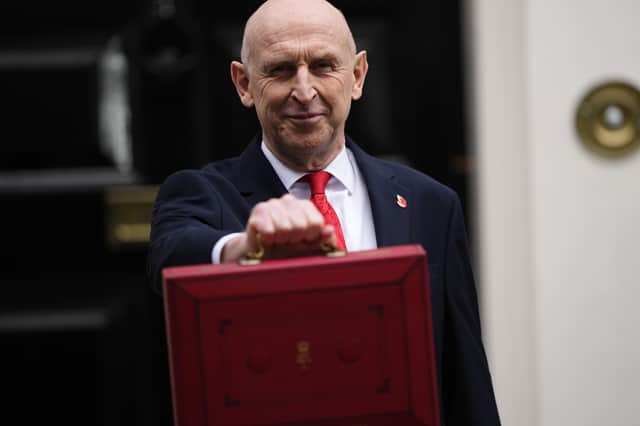

For the Rawmarsh and Conisbrough MP, it is also a chance to deliver for communities he has represented for nearly 30 years.
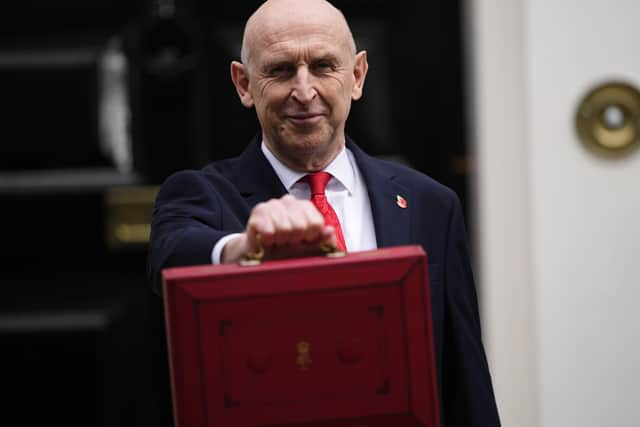
His route to holding Britain’s purse strings began with campaigning, an election defeat and, eventually, an apprenticeship alongside Gordon Brown.
Born in Wakefield, Healey attended schools in Pickering and York before studying at Cambridge.
Before entering Parliament, he worked for disability organisations including the Royal National Institute for the Deaf, the Royal Association for Disability and Rehabilitation and mental health charity Mind.
Communications work and the trade union movement followed, culminating in his appointment as campaigns director at the Trades Union Congress.
His first attempt to become an MP ended in defeat. He contested Ryedale in 1992 before winning Wentworth five years later as Tony Blair swept into Downing Street.
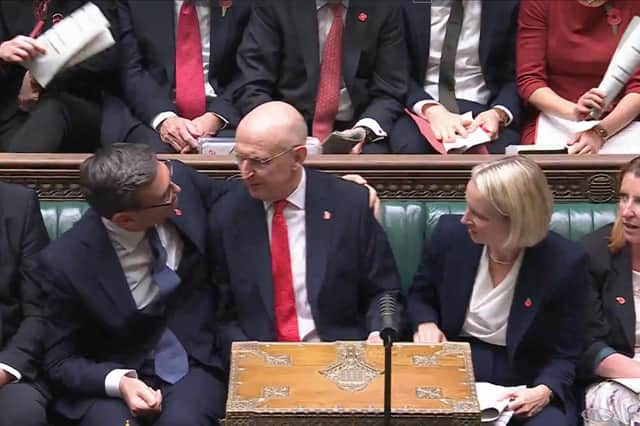
His maiden speech in May 1997 took the Commons to a South Yorkshire still adjusting to the disappearance of its pits. Twenty years earlier, six collieries in his constituency had employed nearly 5,000 men. Its last pit, Silverwood, had closed in 1994 despite breaking production records for two years running.
Replacement jobs were too often “part time, poorly paid and insecure”, he told MPs, calling for opportunities for people who had been “left out or overlooked”..
In 1999, Healey became parliamentary private secretary to Gordon Brown. After a spell as adult skills minister, he returned to the Treasury in 2002, serving as economic secretary and then financial secretary until 2007.
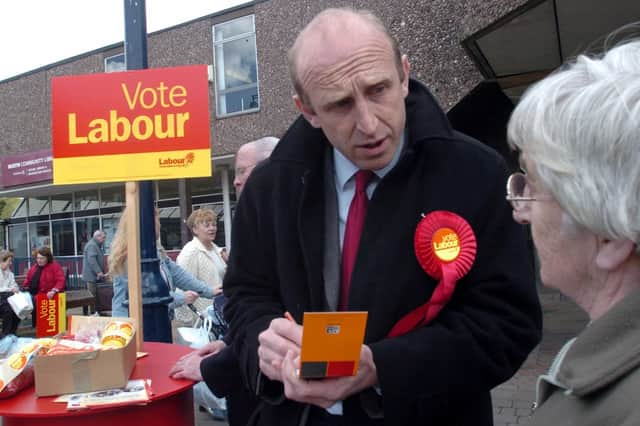
During Labour’s years in opposition, he held senior briefs covering health, housing and defence. He became defence secretary when Labour returned to government in 2024, followed by chancellor on July 20, 2026.
The constituency names have changed along the way. Wentworth became Wentworth and Dearne in 2010, followed by Rawmarsh and Conisbrough in 2024. Healey has remained a Rotherham MP throughout.
Now, nearly three decades after asking what government would do for former pit communities, he makes decisions affecting household budgets across Britain.
His chosen toast to the occasion has a distinctly local flavour. “I am proud to be from Yorkshire,” he said.
“My Budget is about both Rotherham's and the whole UK’s future and I want communities up and down the country to feel the benefit when our economy grows. That's what I am raising a pint of Chantry to.”
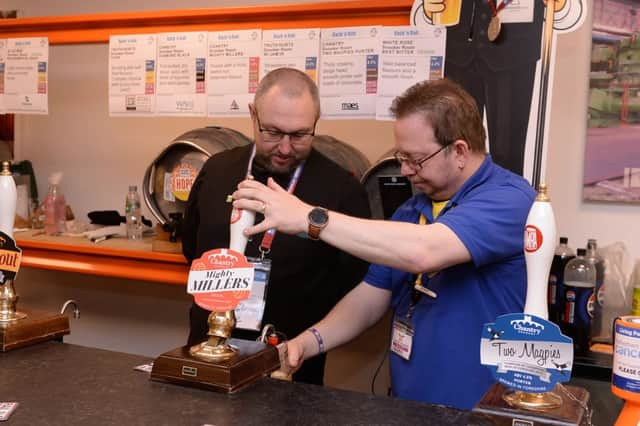
John Healey says almost 30 years representing the area have shaped the choices in his first Budget.
The Rawmarsh and Conisbrough MP pointed to energy support, fuel duty, high-street businesses and employment opportunities as priorities informed by his constituency work.
“I know from representing this area for almost 30 years that people don't judge a Budget by spreadsheets in Westminster,” he said.
“They judge it by having a bit more money left at the end of the month, decent jobs close to home, thriving high streets and the chance for our young people to get on.”
His statement also highlighted a guarantee of paid work for young people who have struggled to find employment.
“Those priorities have absolutely shaped the choices I have made: £100 back from your council tax to go towards energy bills, the 5p fuel-duty cut extended, help for high-street businesses and a guarantee of paid work for young people who've struggled to find a job.”
What changes for your bills, wages, pension and high street?
A £100 winter energy payment, higher minimum wages and support for first-time buyers were among the measures announced in Healey’s first Budget.
There were also changes to pensions, carers’ benefits and business rates, alongside higher tax rates on income from property and savings.
Here are the main announcements, and what they mean for you.
Winter energy payments

Households in council tax bands A to D will receive a £100 energy payment this winter. Healey said the £2.6bn scheme would cover 20 million households, with money paid directly into bank accounts to help during the coldest months.
Gas standing charges
The fixed daily charge households pay for a gas supply is to be removed in 2027, or as soon as possible afterwards.
But the costs will move into the price charged for each unit of gas.
The Treasury estimates around six in ten gas account holding households could save an average £45 annually.
Heavier users could pay more. Ministers have promised targeted protection for some households, with details still to come.
Wages and carers
The National Minimum Wage and National Living Wage will rise by 3.9 per cent, benefiting 2.3 million low-paid workers, according to Healey.
He also announced the removal of the Carer’s Allowance earnings 'cliff edge', where someone can lose their entire allowance after earning just above the permitted threshold.
Pensions and former mineworkers
A new pension tax allowance is intended to ensure pensioners with income up to the value of the full new State Pension pay no income tax during this Parliament.
Separately, Healey confirmed plans to change the pension triple lock from 2030. He said pensions would continue rising and keep pace with earnings and inflation, while saving £15bn annually by the end of the 2030s.
For former mineworkers, he said every penny of the pension fund surplus would go to miners and committed to continuing work towards the full transfer of the guarantors’ fund.
The National Union of Mineworkers welcomed the decision, but it expressed disappointment that money already held in the guarantors’ fund would not be released to increase pensions.
“The money in the MPS guarantors fund is not taxpayers’ money, it is the remaining ill-gotten gains from an unfair system put in place that has penalised members of the MPS for the last 31 years,” it said in a statement.
The union added that it remained confident Healey would pursue the fund’s release, while warning that further delays would mean fewer pensioners lived to benefit.
Parents, motorists and shoppers
Self-employed fathers and partners will become eligible for paid parental leave for the first time, the existing 5p fuel-duty cut will be extended, and tariffs will also be suspended on more than 100 supermarket products to reduce costs.
First-time buyers
A new equity loan scheme, Your First Home, will launch next spring, backed by £4.7bn in government lending, to help buyers without family financial support.
A first-time buyer ISA will replace the Lifetime ISA. Changes announced from today are intended to ensure savers withdrawing money to buy a home above the scheme’s price limit receive at least the amount they contributed.
Housing and homelessness
An additional £1.5bn was announced for social and affordable housing, alongside extended access to cheaper council borrowing and VAT-free land sales to social housing providers.
Healey also proposed removing biodiversity requirements from more brownfield sites to accelerate housebuilding, and avoiding major building regulation changes during this Parliament except where critical for safety.
A further £430m will extend the government’s offer of a route off the streets for people sleeping rough through the remaining winters of this Parliament.
High-street businesses
From next April, the small business rates relief threshold for retail, hospitality and leisure businesses will rise from £12,000 to £18,000.
Healey said another 70,000 businesses would be taken out of paying rates altogether.
Other businesses in those sectors were promised no above-inflation rates rises for two years.
Adult gaming centres and vape shops will be excluded from business rates reliefs.
Industry and small brewers
The British Industrial Competitiveness Scheme will cut electricity bills by 25 per cent for 10,000 qualifying industrial firms, Healey said.
It will begin in April, with backdated support for energy costs incurred this year. It is targeted at qualifying industry, rather than every business.
Around 2,000 small British brewers and cider makers will share £10m in alcohol duty relief.
Savings and property
The annual cash ISA allowance will remain at £20,000 for all ages.
But tax rates on income from property and savings will rise by a further two percentage points from April 2027.
Healey said 88% of people would pay no additional tax on their savings, with no corresponding change to tax rates on employment or dividend income.
South Yorkshire investment
Healey announced £3m for a technology company incubator in the Don Valley.
A further £1.5bn in devolved loans for mayoral authorities could support projects including Doncaster Sheffield Airport’s reopening. This is a wider borrowing facility, rather than a £1.5bn airport grant.
Mayors will receive 20% of business rates revenues from next year and a share of income tax receipts from 2028.
Healey said all business rates revenues would be retained locally by the end of the decade, although the announcement did not establish how they would be divided between councils and mayoral authorities.