
Vast numbers complain over housing estate plan
A GROUNDSWELL of public opinion has emerged in objection to plans for more than 100 new homes on a site in Wickersley.
The plan is to put up to 136 new homes on a currently undeveloped site off St Alban’s Way, with a quarter of those given over to ‘affordable housing’.
But dozens of people have raised objections with Rotherham Council, which will decide whether the development can go ahead – with the site not officially earmarked for development at present.
Many repeat similar concerns about the impact of new households on the area’s infrastructure.
They question the ability roads to cope with increased traffic, with one stating that “136 new households would place unsustainable pressure on transport infrastructure, with no sufficient mitigation measures proposed to address this impact.”
Another raises the issues of peak time traffic congestion already in the area, with roads “virtually gridlocked” around the times of ‘school run’ traffic.
Other big questions raised by objectors include the ability of schools - claimed to be at capacity already - to cope with additional demand from students, and the ability of GPs and dental surgeries to cope with more residents.
In addition, others question the impact on wildlife, which they claim to be rich in the area, including the presence of deer and skylarks. Although skylarks were not identified in a planning survey, residents have highlighted that was conducted in February, when the species has migrated.
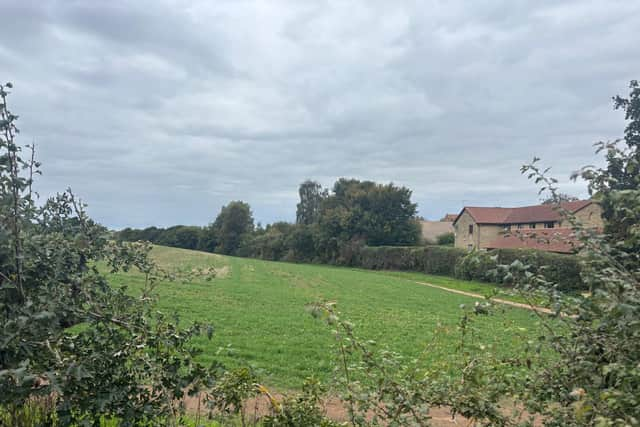

Concern has also been raised about the impact on access to Wickersley Gorse Woods, which one person states would be “ruined”, affecting the ability of people locally and from further afield to use that area.”
A big question for planners will surround the status of the site, however.
It is currently “safeguarded” land, meaning it is not Green Belt, but not intended for development at present.
However, Rotherham Council has been deemed to be unable to meet its obligation to have enough building land available at present.
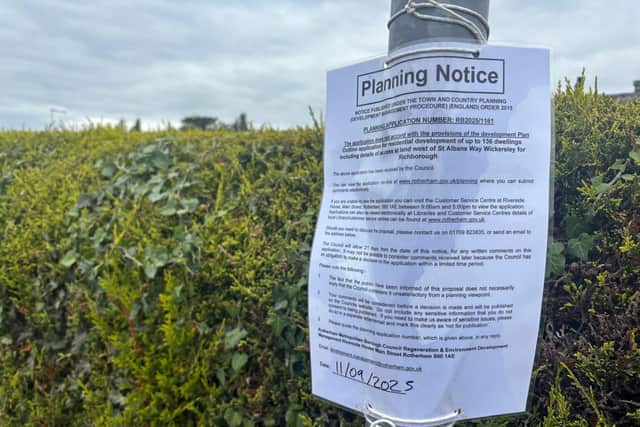
If that point was argued successfully by planning applicants, it would undermine the council’s ability to justify rejecting the application on the grounds the site did not feature in their current blueprint, known as a Local Plan.
That set out available land for both housing and commercial development in the years ahead, but has faced problems in meeting expectations.