
Speed cushions to be replaced - but campaigners want cameras instead
LONGSTANDING problems with speed cushions in a Dearne Valley village are set to end - though a local pressure group wants a different solution.
Rubber speed cushions were installed in Great Houghton to help control traffic speeds, but have been dogged by maintenance problems.
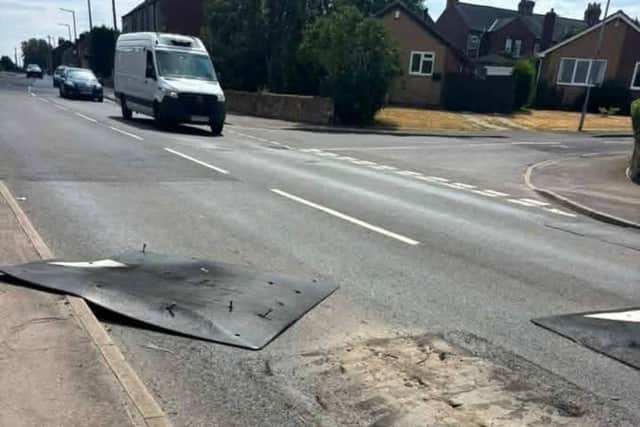

That has left large securing bolts repeatedly coming adrift and damaging tyres on passing vehicles and in some cases - the latest in the last few days - the cushions themselves being dislodged.
A meeting held last summer saw Barnsley Council shift on its position that the cushions were the best solution, with a commitment to look for alternatives.
Money was allocated for work in the Highways Capital Programme, authorised by the council in March.
Control of the council has since switched to Reform and Cllr David Goddard, cabinet support member for environment and communities, said: “Plans for the replacement scheme are being finalised.
“The existing speed cushions will be replaced with new concrete units, with installation expected to begin in early September.
“Temporary road closures will be needed on High Street and Rotherham Road while the work is carried out.”
Great Houghton Voluntary Residents Group, which has campaigned for change, said in a statement: “While this acknowledgement of residents’ concerns its a positive step forward, the group remains concerned that the proposed approach represents a short-term solution rather than a considered, long-term, strategy for road safety within the village.
“Residents have consistently raised concerns not only about the condition and safety of the current speed cushions, but also about the wider, ongoing impact that such traffic calming measures have on the village environment.
“Firstly, fixed vertical traffic calming measures contribute to accelerated wear and deterioration of the carriageway.
“Such infrastructure can complicate and increase the cost of future resurfacing work.
“This creates an ongoing financial burden and necessitates repeated disruption for residents.
“Speed humps contribute to increased noise pollution, particularly from heavy goods vehicles and can exacerbate traffic flow issues in areas where parking is already constrained.
“The group strongly believe that the introduction of average speed cameras would represent a far more effective and sustainable long term solution.”
They say camera would bring economic benefits, by reducing the need for physical work on the road.