
"The team that has worked hard enough to earn the right deserves the right.” Rotherham Titans chief Harvey Biljon on Premiership "ring fence" plans
THE decision to ring-fence the top division of English rugby union has drawn criticism from most quarters of the game – and one man speaks from painful experience.
From 2026/27, traditional promotion between the first and second tiers will be replaced by a franchise model.
It represents a huge change in the league structure, effectively creating an American-style, peril-free competition for England’s top clubs in the “Prem” and ending the top-flight dreams of many lower down the pyramid.
It also brings back uncomfortable memories for the likes of Rotherham Titans’ director of Rugby Harvey Biljon.


He won the Championship with Jersey Reds three years ago only for the club to be denied the chance to play in the Premiership.
Despite their huge efforts on the field, the Reds weren’t deemed worthy enough to go up because their ground wasn’t big enough.
Speaking to the Advertiser, Biljon recalled: “At Jersey there was the euphoria for a couple of weeks about winning the Championship and becoming the champions. It was brilliant.
"We turned up for pre-season and on Day 1 we had a meeting just to set out what pre-season looked like and to tell the players what we were expecting in the coming season in that we were the champions and that everyone was going to be coming after us etc etc.

"What actually came out of that meeting was that everyone paused and reflected.
"As things settled, players and coaches said we all said we play this game to be able to play at the highest level we can and that’s been taken away from us.
“It was a really tough place to be.”
Jersey’s subsequent financial implosion not long afterwards completed a sorry tale.
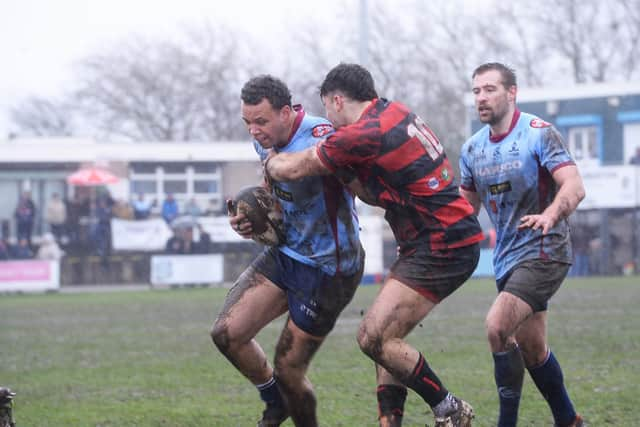
Although a new club, Jersey RFC, has now risen out of the ashes of the old one and is working its way back, the chances of a club rising up the leagues to play in the top flight like Rotherham did 25 years ago have become more remote after last week’s Rugby Football Union Council meeting.
It voted “overwhelmingly” to turn the “Gallager Prem” into a franchise model.
Biljon added: “It’s a difficult question to address because we understand that they want a criteria and a product and everything else but ultimately this game is still about rugby, 30 players on a pitch and the team that has worked hard enough to earn the right deserves the right.”
Rotherham won promotion to the Premiership in 2000 and then again in 2004, by which time they had taken their home games to Rotherham United’s old home at Millmoor in order to meet ground requirements for the top flight.
The year before, as second tier winners, they’d been denied promotion because of the RFU’s ever-changing Premiership entry requirements.
In this season’s Championship, only Doncaster Knights meet the required criteria for promotion but would need to win the division and then come through a two-legged play-off against the Premiership’s bottom club to be able to join the top table.
Doncaster, who are full time, have fallen well short on the field this season in any case and have decided to go semi-pro next season in a “Champ” that could well include Rotherham, who are currently top of National One.
It is planned that the Prem will increase from ten teams to 12 teams from the 2029-30 season, with further expansion possible if ambitious clubs meet criteria on and off the field.
Entry will be based on such as standard of play, finances, investment potential, infrastructure and how an aspiring club’s geographical base could help spread the Premierhip’s appeal.
RFU chief executive Bill Sweeney said: “The professional game must evolve if it is to thrive.
"The previous structure was not delivering the financial stability, investment confidence or wider system benefits the game now requires.
"This reform is about safeguarding the future, creating a model that is ambitious, sustainable and capable of supporting the whole rugby community from the grassroots to the international stage.”
Leading figures say leading stakeholders like Premiership Rugby, Championship Rugby, Premiership Women’s Rugby and the Rugby Players’ Association had been consulted.
Premiership chief executive Simon Massie-Taylor insisted: “The changes agreed show unity across the game.”