
Hundreds of new council homes could be on the way in Rotherham
HUNDREDS more new council homes are expected in Rotherham under a huge new investment programme.
Rotherham Council will set out plans for a major second phase in its new council homes programme when its Cabinet meets on December 15.
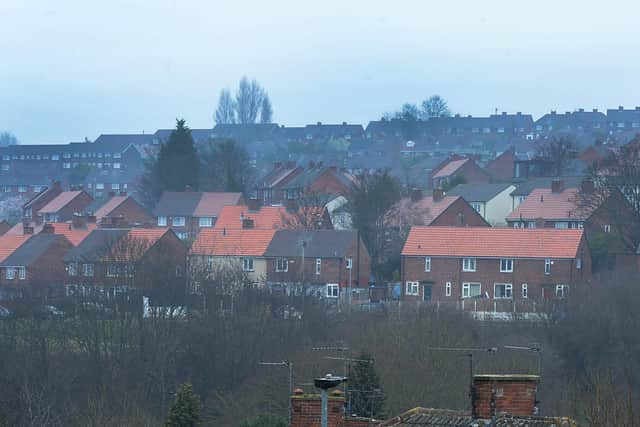

Back in 2019, councillors set out a goal of 1,000 new Council homes, the biggest expansion of the Council’s properties since the 1970s. Since then, more than 730 have been built or bought, meaning the target should be reached in 2027.
In light of expected new changes to national housing rules, councillors will now consider a new business plan that expands the programme by a further £123m for 500 more homes.
The plan also earmarks £1.33 billion to be spent on existing housing over the next 30 years.
That means the expected spend on every council property over the lifetime of the plan will be increased to £60,000. More than 9,000 properties will be upgraded to make them more energy efficient by 2030, and next year the council plans to spend £14m on external works such as replacing roofs, guttering and windows and doors, and £7m on internal works including replacing boilers, kitchens and bathrooms.
The plan outlines the council’s commitment to ensuring homes are safe, decent and thermally efficient, enabling hundreds more Council homes to be built across the borough, alongside day-to-day housing management and repairs and maintenance costs.
Around 19,500 households in Rotherham are council tenancies.
The council and its contractors complete around 90,000 repairs and servicing visits a year and senior councillors are to be asked to keep the same teams in place until 2030, when the situation will be re-assessed.
An increase of 4.8 per cent increase in council rents, in line with government policy, is propsed to help pay for the programme. The council is also proposed to take part in a programme of “rent convergence” whereby tenants in similar properties will move towards the same level of rent over time. Convergence will mean that some tenants see an additional increase in their rents of up to £2 per week.
Under these proposals, most council housing tenants will see an average increase in their rents of of £6.17 per week, making the average rent £101.07.
In addition, shared ownership rents are proposed to increase by five per cent, garage rents by ten per cent and three per cent for service charges such as parking spaces, communal and laundry facilities.
Cabinet is also set to approve that District Heating charges, paid by 1,260 households around the borough, remain frozen at 13.09p per kwh. This will mean the average bill for a District Heating customer will be around £60 less than the forecasted Ofgem energy price cap from April 2026.
Cllr Linda Beresford, Cabinet Member for Housing, said: “We are committed to making significant investments that improve the quality of life for our tenants. We are proposing to increase spending on the Council’s properties to £43.3m in the next year to cover costs including day-to-day responsive repairs, planned repairs like replacement doors and windows and kitchen repairs and damp and mould works.
“With our investment, plus that coming from the government, more than half of our tenants will see works to improve the energy efficiency of their homes, helping to lower heating bills.”