
Wath's new library at risk from soaring costs, council reveal
PLANS have been hatched to cut the size of Wath’s new library - due to soaring costs - but are set to be abandoned, allowing the original project to proceed.
It will cost more than £2m more than originally anticipated, however – around 20 per cent up on expectations.
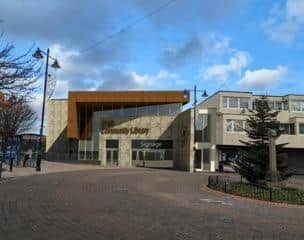

A large part of the increase is due to the cost of getting rid of asbestos from the old building.
That had not been identified when an initial budget for the project was drawn up, almost two years ago.
The increased costs meant the council has considered a smaller building. Cabinet members will decide on how to proceed when they meet on May 11, but the smaller building would save only £200,000 and mean months of delays.
So the cabinet is being recommended to proceed with the original scheme.
Asbestos problems have added £800,000 to the demolition costs, with a council report describing “significant levels” of asbestos, which has to be removed and disposed of under strict rules, because it is so hazardous to health, once disturbed.
The overall increase is £2.04m on the original figure of £9.9m and the additional cost can be met from money in the council’s Local Regeneration Grant, which has not yet been spent.
Overall costings have been refined since contractors Tilbury Douglas were appointed east July.
Other factors pushing the price up include inflation, blamed on the timescale for the project being extended due to delays in tendering, negotiating contracts and other factors.
That has also meant higher costs in fees, which are related to overall construction costs.
Design costs also increased as the project developed.
A report to be considered by senior councillors states: “Extensive analysis of potential value engineering options has been carried out, including considering the Library Service’s brief to identify opportunities to reduce operational and construction costs.
“The outcome of this work was a potential option for a smaller building footprint and changes to the external design
“However, these alterations would require a full redesign and new planning approval, causing significant delays to the project.
“In addition, an increased level of design costs means that the alternative would not deliver value for money due to the significant reduction in amenity space.”