
Watch out for ground-nesting birds, RSPB urges Rotherham folk stepping outdoors
IT’S that time of year when we want to get out and about into the great outdoors – but a nature charity wants to remind us to be mindful that ground-nesting birds could be put in danger by our activities.
The Royal Society for the Protection of Birds (RSPB) – which runs the Old Moor reserve at Manvers – has launched its Give Birds Space campaign to help protect species like lapwings, curlews, skylarks and avocets.
Visitors to the coast and countryside are being asked to help protect vulnerable birds during their breeding season.
Over half of England’s most vulnerable breeding birds nest on or near the ground and are at risk.
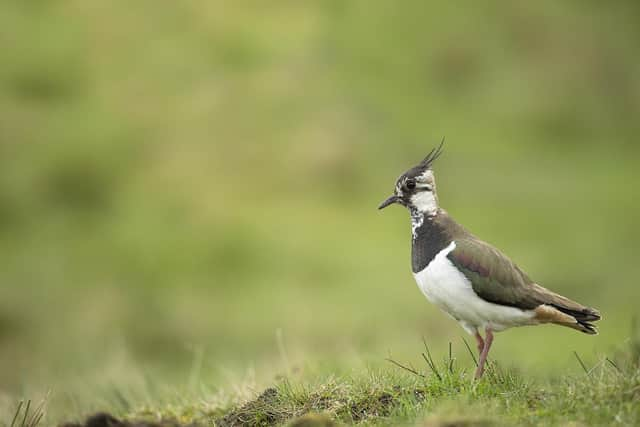

Nest disturbance can make the parent bird abandon the nest, causing eggs to cool, and unprotected chicks to die.
Give Birds Space is inviting the public and landowners to help give vulnerable species the very best chance of raising their chicks.
The RSPB’s three top tips for helping Yorkshire’s ground-nesting birds are:
- Keep to marked paths and away from any roped-off areas.
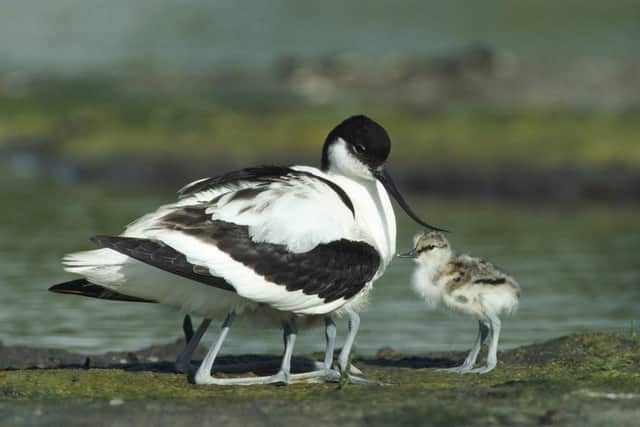
- Keep dogs under close control between March and August, whilst parent birds are sitting on eggs, and flightless chicks are on the ground.
- Give birds and their nests plenty of space.
The RSPB advises giving nesting birds a wide berth – keeping at least 100m away from any roped-off areas and from any chicks that may be running around.
Adult birds repeatedly flying unusually close to you and calling loudly generally means they have chicks nearby.
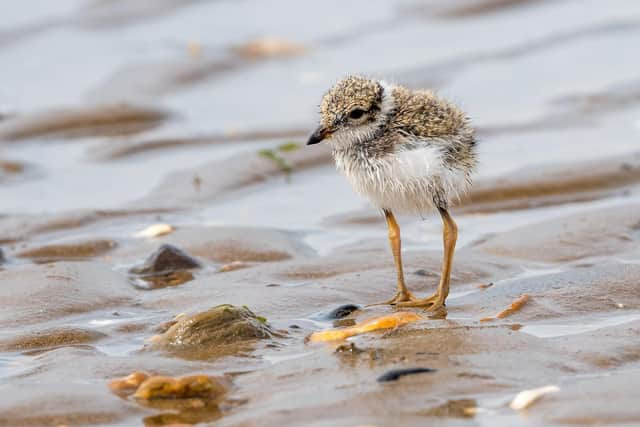
The popularity of wild swimming and paddle boarding is also a risk factor for Yorkshire’s ground-nesting birds but paddlers and wild swimmers can help by ensuring birds and wildlife aren’t disrupted from feeding, breeding or caring for their young.
Over half of England’s most threatened breeding birds nest on or near to the ground, including curlew, little tern, nightjar, and lapwing.
Many of these species are on the red list of conservation concern, as their population numbers are already struggling due to loss of roosting and breeding sites, lack of food and climate change.
Even some more common birds build their nests low down – robins, wrens, dunnocks and blackbirds can all build their nests low in hedges, ivy, and shrubs.
Adult birds, the RSPB warns, will leave their nest if feeling threatened, until the perceived danger has gone.
This temporary abandonment could prevent eggs from hatching and small chicks can die because of cold, starvation, or an animal predator could seize the opportunity to take them.
Mike Shurmer, head of species for RSPB England, said: “Skylark eggs, hidden in places like the Yorkshire Dales, can be as small as a 5p coin. When they hatch, the chicks stay perfectly camouflaged and motionless in the nest — so well hidden that people can pass by without realising they’re there, risking accidentally disturbing them.
“Other ground-nesting birds, like curlew, oystercatcher and ringed plover, have chicks that leave the nest within days of hatching, still tiny and vulnerable, moving through grassland and beaches where people and dogs are present.
“This means that it’s all too easy to disturb them, or accidentally destroy nests and chicks, without even realising — a simple step off a path or a dog running free can have devastating consequences.”
You can find out more at https://www.rspb.org.uk/birds-and-wildlife/ground-nesting-birds