
The ups and downs of our garden birds revealed - with the sparrow still on top
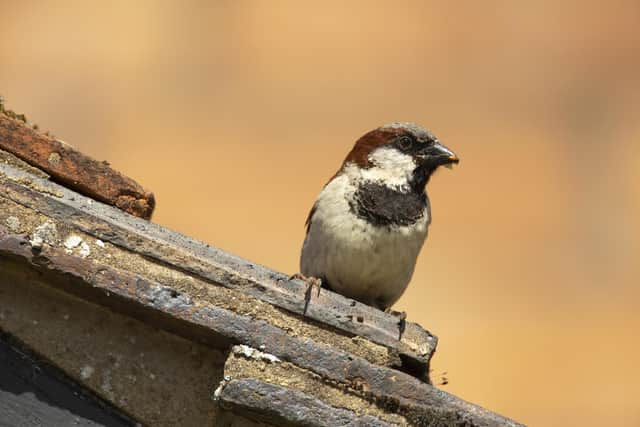
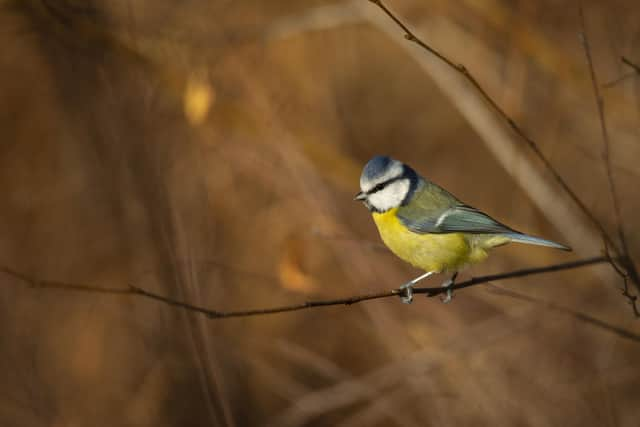
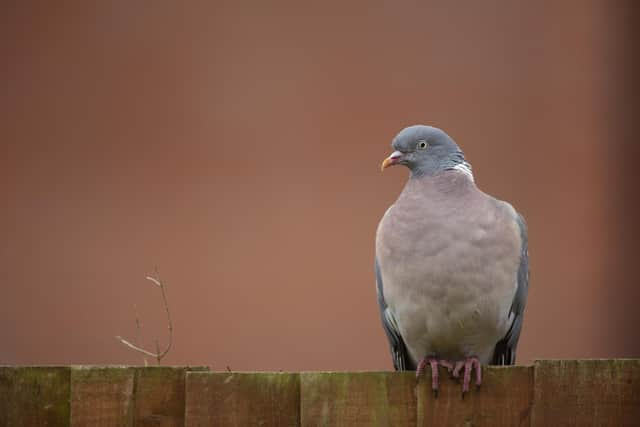
HOUSE sparrow, blue tit and wood pigeon are the three bird species most often spotted in a Rotherham garden, according to the findings of this year’s RSPB Big Garden Birdwatch.
Some species have become more prominent in our gardens and some have decreased significantly – with the impact of bird disease trichomonosis having a big impact.

People who feed the birds are now being urged to help keep them healthy by cleaning bird feeders regularly and changing how food is given to our feathered friends.
The annual RSPB Big Garden Birdwatch gives valuable data on bird numbers and which species are visiting our homes and parks to find food.
A total of 650,279 people across the UK took part this year, with 49,000 people taking part across Yorkshire.
More than nine million birds were counted this year and the ever popular house sparrow maintained its position at number one.
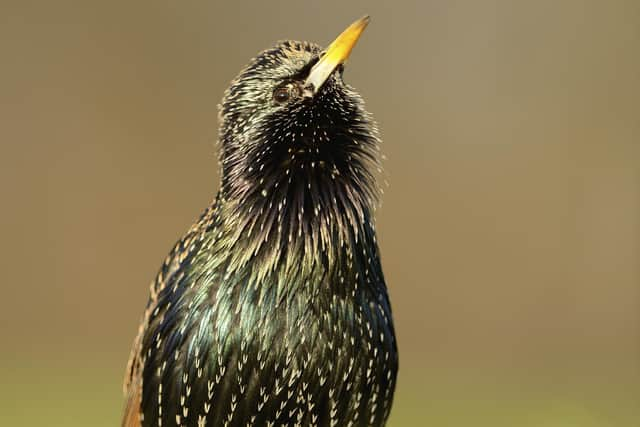
The top three nationally were house sparrow, then blue tit and thirdly starling but in South Yorkshire it was house sparrow first, blue tit second and wood pigeon in third place.
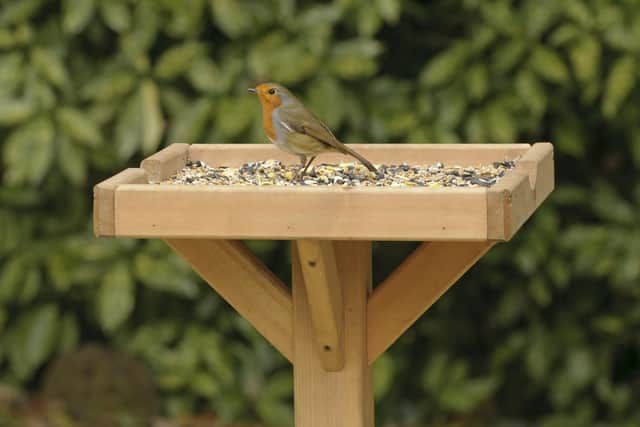
Nationally some species have seen a big decline in numbers in the annual birdwatch – notably the starling (85 per cent fall), blackbird (58 per cent down), robin (25 per cent down) and even the house sparrow (down 64 per cent).
But some have seen big rises in occurrence – the coal tit by 298 per cent, the magpie by 228 per cent and the wood pigeon by a massive 1,003 per cent being the more extreme examples.
Birds such as the greenfinch – which has seen a 67 per cent decline in Big Garden Birdwatch numbers since the survey began in 1979 – have been badly hit by trichomonosis and other diseases. It is believed that two million greenfinches alone may have died since the mid-1990s.
Trichomonosis spreads easily when birds gather around feeders – particularly in summer and autumn.
RSPB chief executive Beccy Speight said: “Feeding birds is something millions of us love and value, but the science shows us that birds such as greenfinches have been affected by the spread of disease at feeders.”
The RSPB is asking the public to adopt simple seasonal changes that will help protect bird health in the long term.
The RSPB advice is: Feed safely. Feed seasonally.
What this means is that we need to adjust what we feed our garden birds during the summer and autumn months when there is a higher risk of disease spreading.
From May to October, people should pause filling bird feeders with seed and peanuts to prevent too many birds gathering in one place.
But it is fine to keep offering small amounts of mealworms, fat balls, or suet all year round.
Just one infected bird can turn a busy feeder into a disease hotspot so to keep birds healthy, people need to prioritise hygiene.
Clean and move feeders weekly and get into the habit of giving feeders a good clean at least once a week.
If possible, place feeders in a different spot after each clean to prevent the build-up of contaminated debris underneath.
Any existing debris should be cleared up.
Only offer water if you can change it every day and make sure it’s tap water.
Water baths should also be cleaned weekly.
Research has confirmed that there is a higher risk of disease spreading on flat surfaces where contaminated food can collect for other birds to eat. This means bidding a fond farewell to feeders that have any flat surfaces – including bird tables.
Alternatively, you could consider bird-friendly planting in your garden – such as sunflowers, teasels and ivy – which helps to provide natural, safer food sources of food and encourages insects.
Beccy Speight said: “We’re not asking people to stop feeding, just to feed in a way that protects birds’ long-term health.
“By making small changes together, we can ensure garden feeding continues to be a positive force for nature.”