
Our barn owls are having a hard time - but there is hope for the iconic species
A BIRD expert says that barn owls across the region are having a hard time because of a mixture of bad weather and man-made pressures.
But there is hope that conservation efforts and greater public awareness are helping to bring the iconic bird species back from the brink.
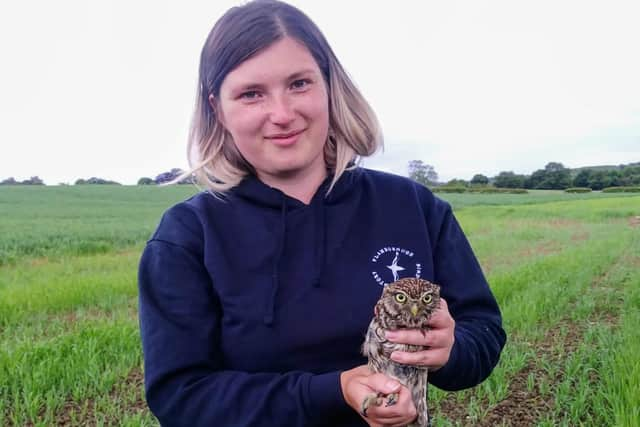
Ornithologist Harriet Day, who has worked on the BBC’s Springwatch programme, says that there has been a lot of work in the Rotherham and Sheffield area to work out how many barn owls there are and how to help them.
Harriet said: “In 2025, barn owl populations declined in parts of the UK from South Yorkshire to Devon, with Sussex experiencing its worst numbers in decades due to low prey availability and harsh weather.
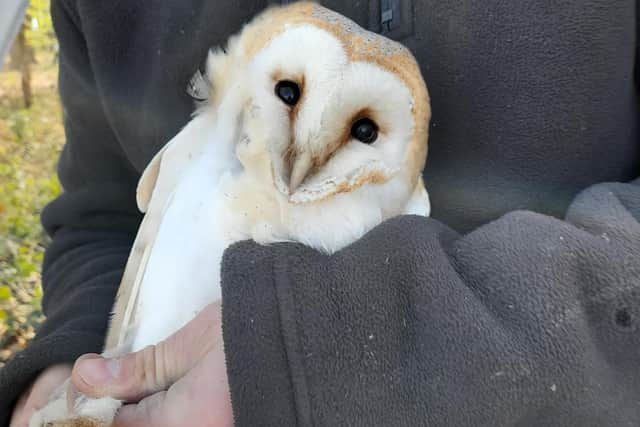

“Barn owls rely mainly on voles, mice, and occasionally rats or frogs.
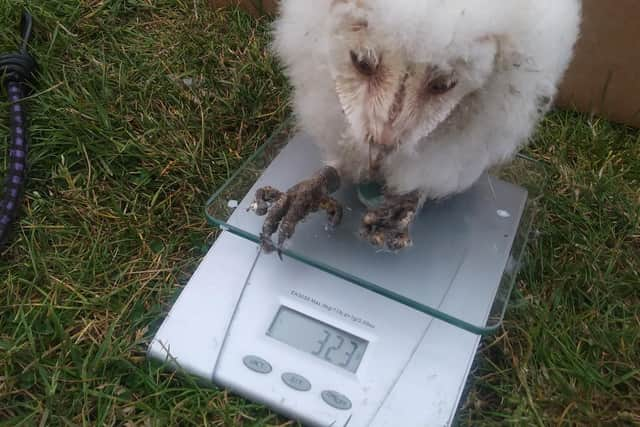
“During severe winters, they must eat enough voles to maintain about 23 per cent of their body weight, typically weighing 250–350g.
“An adult barn owl consumes 3–4 small mammals per night, hunting more than needed to store for later—totaling 1,000–1,460 rodents a year.
“This is especially crucial for females preparing to lay eggs.
“Barn owls face significant challenges from harsh weather, including wind that interferes with their hearing and hunting, and rain that soaks their non-waterproof feathers, disrupting flight.
“These factors can cause starvation, hypothermia, and poor breeding seasons.
“Additionally, rodent poisoning, car collisions along hedgerows, and habitat loss make survival increasingly difficult for barn owls.
“Last year, all of my barn owl boxes contained cold, unhatched eggs, which was disappointing; most of the ringing group found the same at their sites.
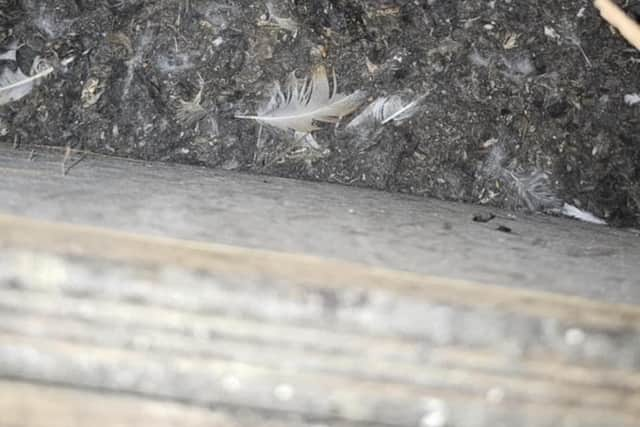
“There could be several reasons for this: adult owls might have abandoned their eggs due to insufficient food, as the female depends on the male to bring her meals while she nests and to store food for when the chicks hatch.
“Another possibility is that the female lacked proper nourishment, which could impact her fertility during this critical period.”
But, said Harriet, persecution of barn owls has badly influenced their populations dating back hundreds of years.
Harriet said: “There’s a lot said about barn owls dating back to the 19th century when people would kill them due to there ghostly screech.
“The first barn owl fossil was found 61 million years ago and it appears they didn’t have it easy then.”
Work over the last two years by the Sorby Breck Ringing Group (SBRG) which has seen barn owls colour ringed has provided valuable insights into the lives of our local birds.
The recent group report on barn owls said: “The main aim of this project is to better understand barn owl chick dispersal, which is generally believed to be relatively limited, with most movements falling between nine and 14 km from their natal sites.
“However, the first year of a barn owl’s life is particularly perilous, with studies indicating that around 70 per cent of juveniles do not survive beyond their first year.
“Many face significant threats after dispersal, which is evident from our findings.”
The report said that the major threats are rat poison, habitat loss, major roads and high-speed trains, water troughs, electrocution/wires, and climate and ecological issues.
The impact of tree disease ash dieback has also reduced nesting sites significantly in some areas.
But Harriet said that there are some signs that things are improving for our barn owls.
Harriet said: “Barn owl breeding in Rotherham and Sheffield is currently in a state of active recovery, largely driven by intensive local conservation efforts and ‘citizen science’ projects.
“While urban expansion in these areas has historically limited their habitat, recent years (2024–2026) have seen a stabilisation of numbers across South Yorkshire.
“In my opinion, if we don’t encourage local farmers to help restore habitat and nest boxes this could be fatal.
“People could help with recent sightings by sending them to the British Trust for Ornithology to help monitor the population.”
- For more ways you can get involved with barn owl conservation visit https://www.barnowltrust.org.uk/.