
Local MPs oppose vast solar farms planned for Rotherham and Doncaster
MPs have opposed plans for a vast solar farm stretching across Rotherham and into Doncaster, as the council prepares to discuss its limited role in the decision-making process next week.
The 750-megawatt development, which could cover around 3,400 acres of land across Treeton, Thurcroft, Ravenfield, Aston, Todwick, Conisbrough and surrounding villages, is classed as a Nationally Significant Infrastructure Project (NSIP). That means the final decision will be taken by the Secretary of State for Energy Security and Net Zero, not Rotherham Council.
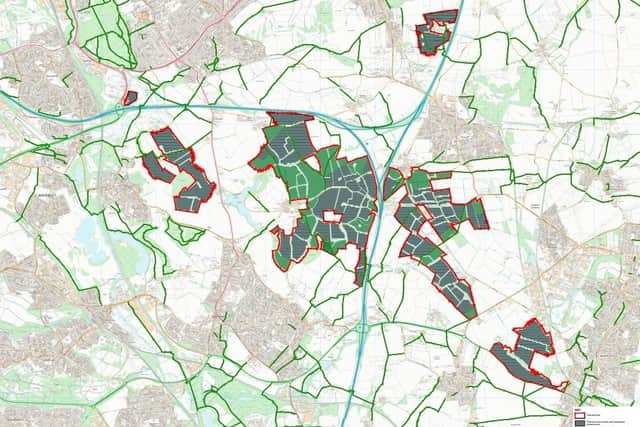

The council can only act as a statutory consultee, submitting technical evidence and a Local Impact Report to the Planning Inspectorate, which will examine the proposal and make recommendations to ministers.
A report going before cabinet on Monday, October 20, recommends that senior officers be given delegated powers to prepare and submit the necessary documents within the strict national deadlines, sometimes as short as 28 days, to ensure Rotherham’s views are represented.

Rotherham MP Sarah Champion has lodged a formal objection, warning that the solar farm would destroy valuable farmland and green space within her constituency.
In a letter to the developers, she said: “This is productive agricultural land, which is at a premium in Rotherham. The loss of such valuable green space will have a serious adverse effect on my constituents – not only those in Treeton and Brinsworth, but those throughout Rotherham who currently enjoy and access the area.”
She added that it was “deeply disappointing” that, following Whitestone’s earlier engagement, “no significant alterations were made” to address local concerns.
Rother Valley MP Jake Richards has also reaffirmed his opposition as a second round of consultation opens.

“I will oppose this application due to the sheer size of the proposal and the effect on certain communities,” he said.
“Whilst I am supportive of the government’s plans for more renewable energy, my priority is always my constituents. Residents in the affected areas – Harthill, Woodall, Aston, Kiveton, Brampton-en-le-Morthen and Ulley – are rightly worried about this and I will stand with them.”
Mr Richards also criticised the consultation period as “too short”, saying it “does not allow residents and local stakeholders sufficient time to review the consultation materials and prepare an informed response.”
Dozens of residents and parish councils across the south of the borough have voiced objections, citing the loss of agricultural land, potential disruption from construction traffic, and the visual impact of the huge array.
In a statement, the developers behind Whitestone Solar Farm said the project would play an important role in helping the UK move away from fossil fuels and meet its legally binding climate targets.
The developer added that large-scale solar farms like Whitestone are needed to complement smaller rooftop projects and help the UK meet the government’s Clean Power 2030 mission to triple solar capacity by 2030.
Council officers stress that Rotherham Council is not deciding whether Whitestone goes ahead, and its only role is to feed local evidence and impact assessments into the national examination process.
If cabinet agrees the delegation next week, officers will begin drafting submissions to the Planning Inspectorate to make sure residents’ concerns are recorded.
The examination process could take up to two years before the Secretary of State issues a final ruling.