
Landlord licensing scheme reveals multitude of problems faced by tenants
A LICENSING scheme covering housing landlords in parts of Rotherham has proved highly successful in the last five years – though it has cost more to operate than the fees paid to Rotherham Council.
Landlords put in around £1,161,000, but to total cost to Rotherham Council was almost £1,295,000.
The shortfall has been made up from council budgets, a report on the service explains.
Lanlords covered by the scheme must pay a £68 application fee and then a £453 maintenance charge.
That allows council staff to inspect properties, to help ensure they are properly maintained and meet suitable standards for residents.
At present, six areas are covered - the town centre/Eastwood, Masbrough, Thurcroft, Dinnington, Maltby and Parkgate.
Nine out of ten landlords had one or two homes for rent, with many part time and lacking professional management skills, according to the council.
The operation of the scheme was disrupted by Covid-19, but during the time of operation, 311 cannabis cultivations were discovered at properties covered by the arrangement - with drugs worth £40m recovered.
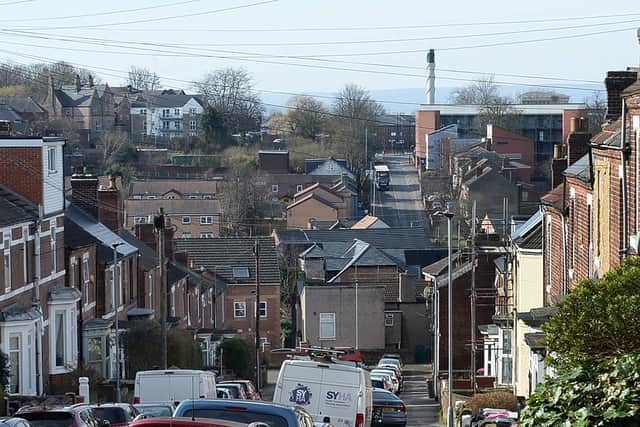

Throughout the operation of the scheme, more than 2,000 incidences of anti social behaviour have also received attention, with council staff reporting improved partnership working with South Yorkshire Police.
The licensing scheme has led to 2,574 formal enforcement notices were issued and 292 properties were found to be affected by what the council calls ‘category one’ hazards - items which can cause an immediate risk to health and safety, such as broken heating systems, faulty appliances emitting dangerous levels of carbon monoxide and fire hazards.
There were even more homes affected by less severe, or category two, problems, such as inadequate lighting and overcrowding.
The highest hazard rate was found in Masbrough, with Maltby homes found to have had the lowest levels.
More than one in five properties received rebates, which were issued on the basis of properties being in good condition, managed properly and compliant with the terms of the licence.
The scheme has also exposed some of the issues likely to affect the rented housing market in future, with more than three quarters of existing homes failing to meet the energy efficiency rating of ‘C’ which is likely to be expected in future.
Details will be discussed by the council’s improving places select commission.