
Foragers can reap a good harvest in the borough, says study
FANS of foraging for berries, mushrooms and other wild goodies can have a great time in Rotherham, according to the findings of new research.
The new study by UK gardening supplier Hedges Direct looked at where in Yorkshire and the Humber foragers can find edible plants – from blackberries and mushrooms to sloe berries and wild garlic.
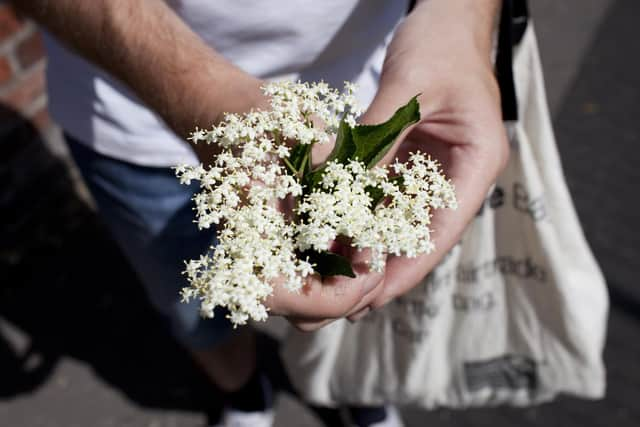

The analysis looked at the total number of foraging spots in each local authority per 100km2 of land to find the best areas for foraging, as well as per 100,000 residents to work out the least competitive foraging spots.
Hawthorn, blackberries and stinging nettles are Rotherham’s most available foraging crops, with 7,910, 6,157 and 5,338 records of these plants respectively – and no area anywhere in the UK offers a denser supply of hawthorn.
Its 30,013 recorded foraging spots work out at 10,851 per 100,000 residents, the highest rate in Yorkshire and the Humber and the 19th highest in the UK.
Sheffield is the region’s second best area for foraging and Hull ranks third.
Martin Chaplin, head of horticulture at Hedges Direct, said: “Whether you’re a seasoned forager or just getting started, foraging is a fantastic way to build a relationship with the land around us, spend more time in nature and even benefit directly from the freshly wild-harvested foods you pick up along the way.
“Knowing what you can forage where is a great starting point, as it gives you the best chance of finding what you’re after.
“Thankfully, some of the UK’s most popular foraging crops – such as blackberries, elderberries, hawthorn, stinging nettles, hazelnuts, rosehip and sloe berries – are in abundance in many places, making them a good choice for those new to foraging.
“Other edible plants, such as chanterelle and porcini mushrooms, are located in more specific locations, and so may require a bit of travel if you’re not lucky enough to live in an area where these foods flourish.
“It’s also important to be aware of Wild Food UK’s foraging code and the Countryside Act where it relates to foraging, to ensure you’re not accidentally breaking any laws and are remaining ethical and respectful to the land.”