
Defence secretary John Healey is losing sleep over our uncertain world
DEFENCE Secretary John Healey claims that Iran has plotted killings in Britain and has carried out cyber operations and espionage. The warning reflects growing concern in government about hostile activity by Tehran on British soil.
But what evidence is he relying on to suggest there is such murderous spycraft on our shores?
And who does the Conisbrough and Rawmarsh MP rely on when intelligence about threats reaches government?
There is no James Bond waiting to brief him. Ministers do not deal directly with field agents or undercover operatives. Intelligence arrives through formal assessments prepared by Britain’s security and intelligence agencies.


The domestic lead is MI5, which investigates foreign intelligence networks and suspected assassination plots inside Britain. Overseas intelligence comes from MI6, which gathers information abroad through human sources and allied cooperation.
Cyber threats are monitored by GCHQ. While MI5 hunts spies and MI6 gathers secrets overseas, the Ministry of Defence’s Defence Intelligence analyses the military muscle of foreign powers – their weapons, forces and battlefield capabilities.
Assessments from all bodies are coordinated by the Joint Intelligence Committee before reaching ministers. Healey also hears from Britain’s top commanders, including Air Chief Marshal Richard Knighton, the current professional head of the armed forces.
The defence secretary says the world feels increasingly unstable.
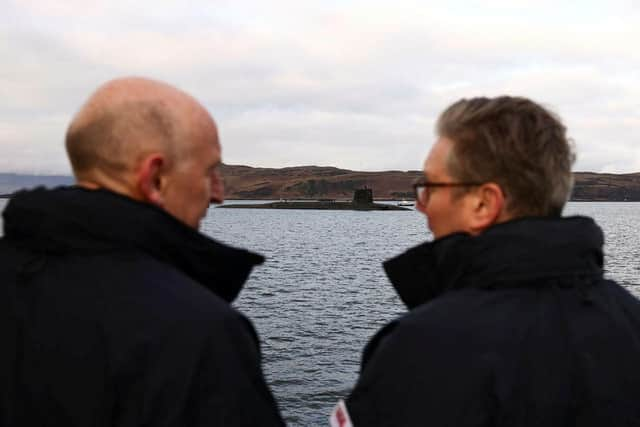
As he told the New Statesman, “these are serious times”, with “rapidly increasing global threats” shaping his decisions. The Iran crisis is only one of several challenges stretching British defence resources.
Healey says he has averaged fewer than five hours’ sleep a night since American and Israeli military action against Iran began.
He wakes in the night to take calls.
After a drone strike near RAF Akrotiri on March 2, he authorised the precautionary move of families and non-essential personnel from the base. Officials say concern about Iran reflects a pattern of alleged activity.
Since 2022, authorities have disrupted around 20 Iran-linked plots in Britain, mostly targeting dissidents, journalists and critics of Tehran.
Prosecutors have also brought cases involving individuals accused of gathering intelligence on UK-based media organisations.
Much of the careful weighing of intelligence now lands on Healey’s desk, highlighting the pressure on ministers in what he describes as the most dangerous times Britain has faced for decades.