
Offenders transform access to local animal sanctuary
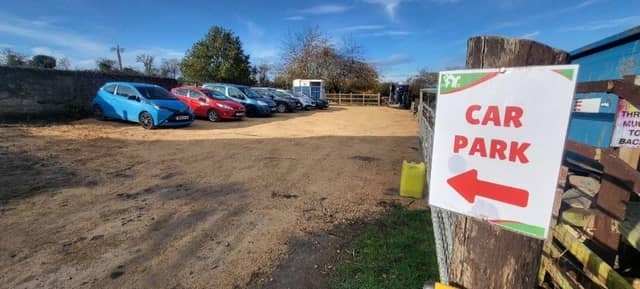

A Rotherham animal sanctuary has benefited from much-needed improvements at their Equine and Large Breed site in Ravenfield, thanks to offenders carrying out community sentences.
Thornberry Animal Sanctuary, a registered charity, has gained a new car park and fencing thanks to weeks of manual work carried out by a group of offenders completing court-ordered Community Payback.
This work has transformed access to the sanctuary which would have been unaffordable for the organisation to commission privately.
Community sentences consist of up to 13 possible requirements that offenders must meet, including restrictions, tasks and treatment programmes carried out in the community.
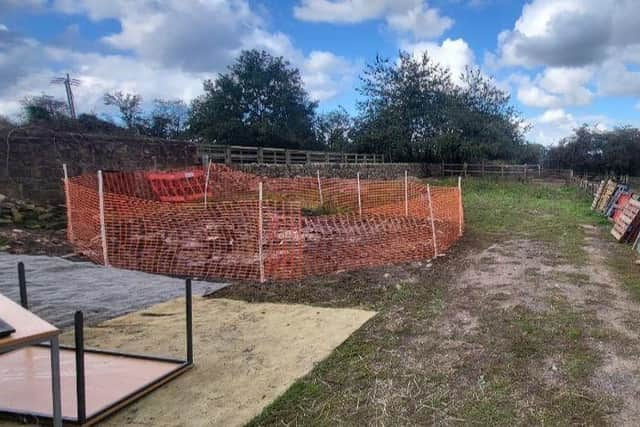
Community Payback, a form of unpaid work, is one such requirement that punishes offenders while making them give back to communities they’ve harmed.
This unpaid work not only supports vital local organisations but also teaches offenders valuable technical skills to help them secure employment and turn their backs on crime for good.
Maxine Barclay, a member of staff at the sanctuary says: “The site for the new car park was originally a field full of boulders and large stones, making it unusable for horses. The team have cleared the whole area.
"The offenders say that they enjoy giving something back. It's not just about helping us, but it's also helping them as well, so hopefully they can take something from this and use it going forward.”

The sanctuary provides care and rehoming for hundreds of animals each year including dogs, cats and horses. The Community Payback support means their funds can be spent directly on looking after the animals. Improved access to the site will now make it easier for visitors to see the animals and arrange adoptions.
James Shaw, Unpaid Work Operations Manager says completing Community Payback helps individuals establish a working-day routine, which can help with reducing reoffending: “The team are doing strenuous manual work for a full seven hours in the day.
"The evidence shows that people who are sentenced to community sentences, particularly with unpaid work, are less likely to reoffend in the future than those who have short-term prison sentences.”
Over 60% of people sentenced to prison for under a year reoffend within 12 months. Research shows offenders who serve prison sentences of less than a year are more likely to commit further crimes than similar offenders given community sentences instead. *
This is often linked to offenders being able to maintain family connections, jobs and housing while serving their sentence in the community.
The expansion of punishments outside of prison, like community sentences, is one part of wider landmark sentencing reforms to ensure prisons never run out of space again.
This is part of the government’s Plan for Change to make streets safer, which also includes the government building 14,000 new prison places and increasing investment into probation by around 45% by 2028.
*Source: The impact of short custodial sentences, community orders and suspended sentences on reoffending (2019)